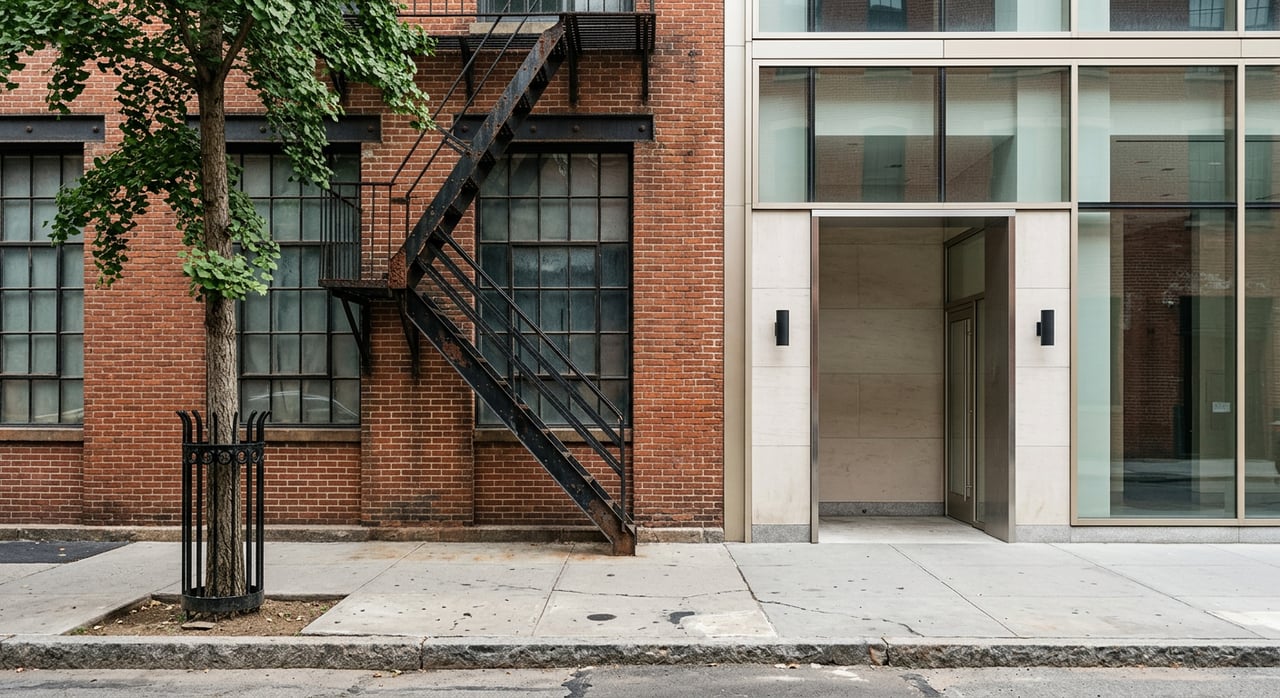
Trying to choose between a gleaming High Line tower and a character-filled loft in Chelsea? You are not alone. The neighborhood packs a rare mix of glass condos, gallery conversions, and classic co-ops that can look similar on a map but live very differently day to day. In this guide, you will learn how architecture, views, amenities, and building rules translate into price, comfort, and resale potential. Let’s dive in.
Chelsea sits on Manhattan’s west side between roughly 14th Street and the Hudson River. It includes distinct pockets, including the West Chelsea and High Line corridor, and several designated historic districts. You can explore the area’s landmarked zones through the city’s Landmarks Preservation Commission maps.
As a market, Chelsea spans the low-to-mid seven figures for many sales. Neighborhood rollups vary by month, but StreetEasy’s Chelsea overview has recently shown a median sale around roughly $1.3 million. Price per square foot and carrying costs swing widely by product type, which is why comparing apples to apples matters.
The High Line reshaped West Chelsea. Academic work has linked the park’s creation and programming to strong localized price increases and new development activity along its path. If you are eyeing a tower with direct park or river views, it helps to understand why nearby homes often command a premium. See the study on who benefits from urban green amenities near the High Line in Landscape and Urban Planning here.
New towers along the High Line and in West Chelsea are typically high-rise condominiums with floor-to-ceiling glass, modern MEP systems, in-unit laundry, and full-service amenities. Expect doorman staffing, well-equipped gyms, roof terraces, lounges, and sometimes pools or garages. Many are sold by a sponsor with an offering plan and specific closing-cost allocations.
What this means for living quality: you gain light, views, and modern HVAC, often with better air filtration and cooling performance. The tradeoff is envelope behavior. Curtain-wall glazing feels different from masonry. Building-science research notes that insulating glass units can degrade at their edges over time, which can affect thermal performance and future replacement cycles. For a plain-English primer, see MDPI’s review of IGU durability and energy impacts here.
Pricing dynamics: new development often trades at a premium for design, amenities, and perceived convenience. That premium can compress in periods of higher interest rates or when resale inventory in the submarket increases. Your best comparison points are building-level pages that track recent closings and price per foot. As an example resource, CityRealty profiles buildings like The Chelsea Mercantile, which can help you benchmark.
Many western-Chelsea lofts began life as industrial buildings or warehouses. Conversions range from minimal refits to full luxury re-mechanization with new elevators, HVAC, and high-end finishes. Legal status matters. Some units fall under New York’s Loft Law framework and are overseen by the NYC Loft Board. Before you bid, confirm whether a building is fully legalized for residential use and whether any Interim Multiple Dwelling status remains. The city’s Loft Board page outlines the framework and process here.
What to ask and inspect: certificate of occupancy history, permits and sign-offs for the conversion, the building’s MEP upgrade status, elevator modernization, façade repairs, and roof or terrace rights. Older conversions can offer dramatic volume and authenticity but may carry near-term capital needs or legacy constraints that affect financing and resale.
East of Sixth Avenue and on older blocks throughout Chelsea, you will find prewar co-ops with masonry envelopes, taller baseboard-to-ceiling heights, and more conventional window openings. Monthly maintenance combines real estate taxes and building operations into one line item. These homes often trade at lower price per foot than new condos, but boards may ask for larger down payments, strong post-closing liquidity, and full financial disclosure. For a practical run-through of NYC closing costs and co-op dynamics, this buyer resource is helpful here.
Resale considerations: board approval, flip taxes, and sublet rules can narrow the buyer pool. That may reduce liquidity compared with condos, even when the underlying apartment has wonderful light and scale.
Chelsea also includes older walk-ups and modest elevator buildings. These tend to offer lower common charges and good value per square foot. Expect fewer amenities and varied building systems. If your priority is net space over services, these can be compelling, provided you check façade and mechanicals.
Direct sightlines to the High Line or the Hudson River can produce measurable value premiums. Identical floor plans with different orientations can trade quite differently. The High Line’s impact is well studied, with research showing strong neighborhood-level uplifts for the closest buildings. If you love glass and views, weigh that premium against monthly carrying costs and the building’s long-term façade plan.
Amenities influence both marketability and monthly costs. A package that includes 24-hour doorman, fitness center, roof terraces, lounges, and concierge services can drive higher purchase prices and higher common charges. On the flip side, buildings with leaner offerings usually mean lower monthlies but may draw a narrower pool of future buyers. When you compare two options, quantify both the purchase price and the 5-year total cost of ownership.
Glass towers deliver daylight and city panoramas, but they behave differently thermally and acoustically. IGU edge seals can age, frames can transmit more heat without thermal breaks, and very large or curved glazing can be expensive to replace. The MDPI paper on IGU performance and longevity is a useful reference here. If you are comparing envelope comfort, the Lawrence Berkeley National Lab’s guide to high-performance windows explains how coatings and gas fills affect heat gain and noise.
Conversions and prewar buildings often have thicker masonry and smaller window openings. That can help with winter warmth and summer shading. Tradeoffs include older plumbing, piecemeal HVAC, single-pane windows, and recurring façade work under New York City’s Façade Inspection and Safety Program. Learn how FISP operates and why a sidewalk shed might appear during repair cycles here.
Ask for 3 to 5 years of building financials, reserve levels, and any recent or pending special assessments. Identify upcoming projects such as façade work, roof replacements, elevator modernization, or energy retrofits. If the building is over 25,000 square feet, it likely falls under Local Law 97. The city’s “Getting 97 Done” materials explain compliance steps, timelines, and potential retrofits that could impact future budgets here.
For building-level context on how condos in Chelsea perform, CityRealty’s building pages are a helpful gauge of recent trades and carrying costs. One example is The Chelsea Mercantile.
New York City requires periodic façade inspections for multi-story buildings. Reports classify conditions as SAFE, SWARMP, or UNSAFE. An UNSAFE building will often have a sidewalk shed and near-term repair mandates. A SWARMP designation signals that maintenance is required within a set timeframe. These findings matter for your daily experience and for the likelihood of assessments. Review the program and cycle details on the DOB’s FISP page here.
If you are exploring a converted loft, confirm the building’s legalization status under Article 7-C and whether any Interim Multiple Dwelling issues remain. Unresolved matters can impact financing and resale timing. Learn more through the NYC Loft Board here.
Use this side-by-side checklist to compare two finalists:
Building documents to request
In-unit quality and comfort to compare
If you value light, views, and turnkey amenities, a West Chelsea glass condo near the High Line may be worth the premium. Focus your diligence on energy use, glazing performance, and the building’s façade and Local Law 97 roadmap. If you prioritize volume, authenticity, and layout flexibility, a legal loft conversion can deliver character and long-term potential. Your checklist should center on legalization status, MEP upgrades, façade condition, and elevator modernization.
Prewar co-ops can be ideal if you want classic proportions and are comfortable with board approvals and maintenance structures. Liquidity and sublet rules matter for future exit strategy, so weigh those policies alongside the apartment’s quality and location. In every case, compare 5-year total cost of ownership and orientation-driven value, not just list prices.
Ready to curate your short list and negotiate with confidence in Chelsea? Connect with Tony Sargent to schedule a confidential consultation and see both on and off-market opportunities that fit your goals.
Compass
110 5th Avenue, 3rd Floor New York, NY 10011