If you have ever wondered whether an Upper East Side townhouse offers the right mix of privacy, space, and long-term flexibility, you are asking the right question. These homes can be deeply appealing, especially if you want a more house-like way to live in Manhattan, but they also come with a very different ownership experience than a condo or co-op. Understanding the block, the building, and the level of responsibility involved can help you make a more confident decision. Let’s take a closer look.
An Upper East Side townhouse offers something many Manhattan buyers want but do not always find in an apartment: a private building with multiple levels and more control over how the home functions day to day. For buyers moving up from a large apartment or arriving from a suburban home, that setup often feels more familiar and more flexible.
On the Upper East Side, though, “townhouse” is not one uniform category. The neighborhood includes several designated historic districts, including the Upper East Side Historic District, the Upper East Side Historic District Extension, Carnegie Hill Historic District, Metropolitan Museum Historic District, and Treadwell Farm Historic District. That means the experience of owning a townhouse can vary meaningfully from one block to the next.
One of the most important parts of the decision is the block itself. Some stretches feel distinctly rowhouse in character, while others sit on avenues where later apartment construction changed the streetscape. The Landmarks Preservation Commission describes historic districts as collections of landmark buildings that create a distinct sense of place, and that sense of place can shape both daily living and future plans for the property.
In the Upper East Side Historic District Extension, for example, the earliest residential fabric includes three- and four-story rowhouses with raised parlor floors and tall stoops, later mixed with apartment houses. In practical terms, that means your experience may differ depending on whether you want a classic stoop-front townhouse setting, a wider avenue presence, or a home within a tightly regulated historic context.
For many buyers, the appeal starts with privacy. You are not sharing hallways, elevators, or building systems in the same way you would in a larger apartment building. That can feel especially attractive if you value discretion, independence, or a more private rhythm of living.
Another draw is layout flexibility. A townhouse often gives you multiple floors and more separation between living, working, guest, and sleeping areas. If you need space for a home office, guests, or multigenerational living, that layout can be a real advantage.
Customization is also a major reason buyers explore this property type. Compared with a shared apartment building, a townhouse can offer more control over how the home evolves over time. The key issue is usually not whether you can improve it, but how much approval, permitting, and time the project will require.
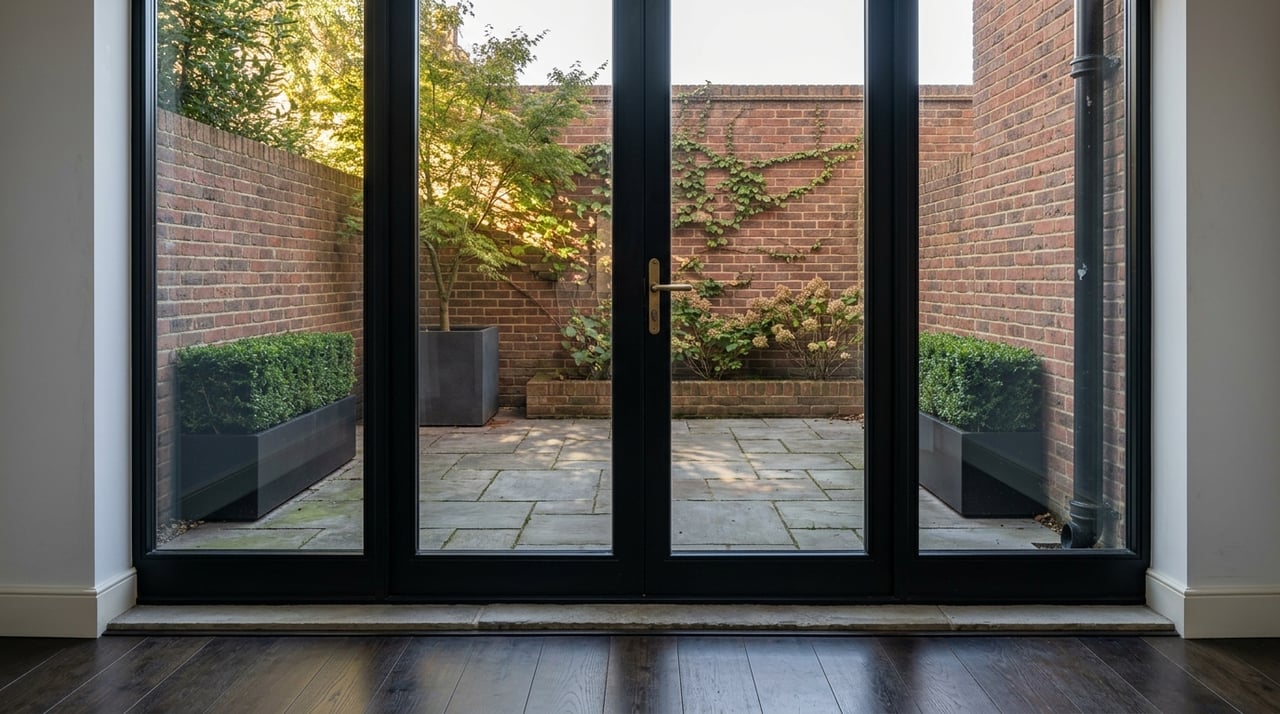
Outdoor space is another common reason buyers look at Upper East Side townhouses. A rear garden, terrace, or roof area can add meaningful value to daily life, especially in Manhattan. Still, the usefulness of that space is highly property-specific.
Before you assume outdoor space can be reworked or expanded, it is important to confirm what is legal and what approvals may be required. Exterior changes, façade work, additions, and roof-related projects may need review by the Department of Buildings, and if the property is landmarked or located within a historic district, Landmarks Preservation Commission review may also apply.
The biggest shift from apartment living is often the level of hands-on responsibility. With a townhouse, you should expect to coordinate repairs, maintenance, and outside vendors more directly rather than relying on building staff. For some buyers, that tradeoff is worth it. For others, it can feel like a major change in lifestyle.
New York City agencies outline several owner obligations that matter here. The Department of Transportation says property owners must maintain the sidewalk adjoining the property, and the Department of Sanitation says owners and occupants must clear snow and ice within required timeframes. The Department of Housing Preservation and Development also says owners must keep common areas and units safe and well maintained.
In simple terms, townhouse living usually means more oversight from you. Even if you outsource much of the work, you are still managing the process.
If the townhouse is landmarked or located in a historic district, exterior changes are not casual projects. The Landmarks Preservation Commission requires approval before most alterations, reconstruction, demolition, or new construction affecting designated buildings. The same general review process applies to buildings in historic districts.
That does not mean every project becomes difficult. The Commission notes that ordinary exterior repairs, such as replacing broken window glass, are generally exempt, and interior work usually does not need Landmarks review unless the interior itself is landmarked. Still, if you are buying with renovation plans in mind, it is smart to understand that façade, window, roof, or rear-yard work may involve a formal review process.
The Department of Buildings adds a separate set of considerations. Most construction requires a permit, and kitchen and bathroom renovations often require a licensed professional engineer or registered architect when the work goes beyond simple cosmetic updates. If your plans include structural changes, plumbing or electrical work, or changes affecting use or egress, the project can quickly move into a formal alteration process.
This matters because many buyers fall in love with the idea of a “simple update” before understanding the approval path. If the current layout does not fit your life today, it is worth asking whether you are really buying a move-in-ready home or taking on a renovation project with a longer timeline.
Townhouse ownership also comes with a different cost structure. Instead of monthly common charges or maintenance in the same form as an apartment, you will be budgeting around direct property ownership costs and upkeep.
For taxes, New York City property taxes are based on assessed value, and the Department of Finance says bills are issued quarterly or semiannually. If the townhouse is a one- to three-family house, it falls within Class 1 property tax rules.
At closing, buyers should also budget for New York State’s mansion tax on residential purchases of $1 million or more, along with New York City transfer taxes on qualifying conveyances. These are important line items to factor into the overall acquisition cost, especially at Upper East Side townhouse price points.
If you are seriously considering an Upper East Side townhouse, these are some of the most useful questions to ask:
An Upper East Side townhouse is often a strong fit if you value privacy, a house-like layout, and the ability to customize your property over time. It can also make sense if you are comfortable taking a more active role in how the home is maintained and improved.
It may be a weaker fit if your priority is predictable building services, minimal upkeep, or a simple turnkey path. In that case, a condo or co-op may feel more aligned with the day-to-day experience you want.
The right answer usually comes down to how you want to live, not just what looks impressive on paper. A townhouse can be a beautiful long-term choice, but only if the ownership model matches your expectations.
If you are weighing whether an Upper East Side townhouse fits your lifestyle, renovation goals, and level of desired privacy, a thoughtful property-by-property review can make the decision much clearer. For a discreet, tailored conversation about townhouse opportunities in Manhattan, Tony Sargent can help you evaluate the right fit with care and precision.
Compass
110 5th Avenue, 3rd Floor New York, NY 10011