If you want a Manhattan home that feels polished, connected, and a little more distinctive than a glass high-rise, Flatiron deserves a close look. This is a neighborhood where work and home genuinely overlap, and where older architecture helps create a more intimate luxury experience. If you are weighing a move, a purchase, or a long-term lifestyle upgrade, understanding Flatiron’s boutique luxury buildings can help you decide whether the district fits the way you live and work. Let’s dive in.
Flatiron is not a purely residential pocket, and that is part of its appeal. The Flatiron NoMad Partnership describes the district as a mixed-use Manhattan neighborhood with retailers, employers, cultural and educational institutions, and a thriving residential community.
That balance is not just a branding line. In Q1 2025, the district recorded nearly 4 million employee office visits and nearly 600,000 square feet of new office leases, which shows that Flatiron remains an active business center during the day. For you as a buyer, that means the neighborhood offers more than evening charm. It has real daily energy, consistent foot traffic, and the kind of centrality that supports a practical Manhattan routine.
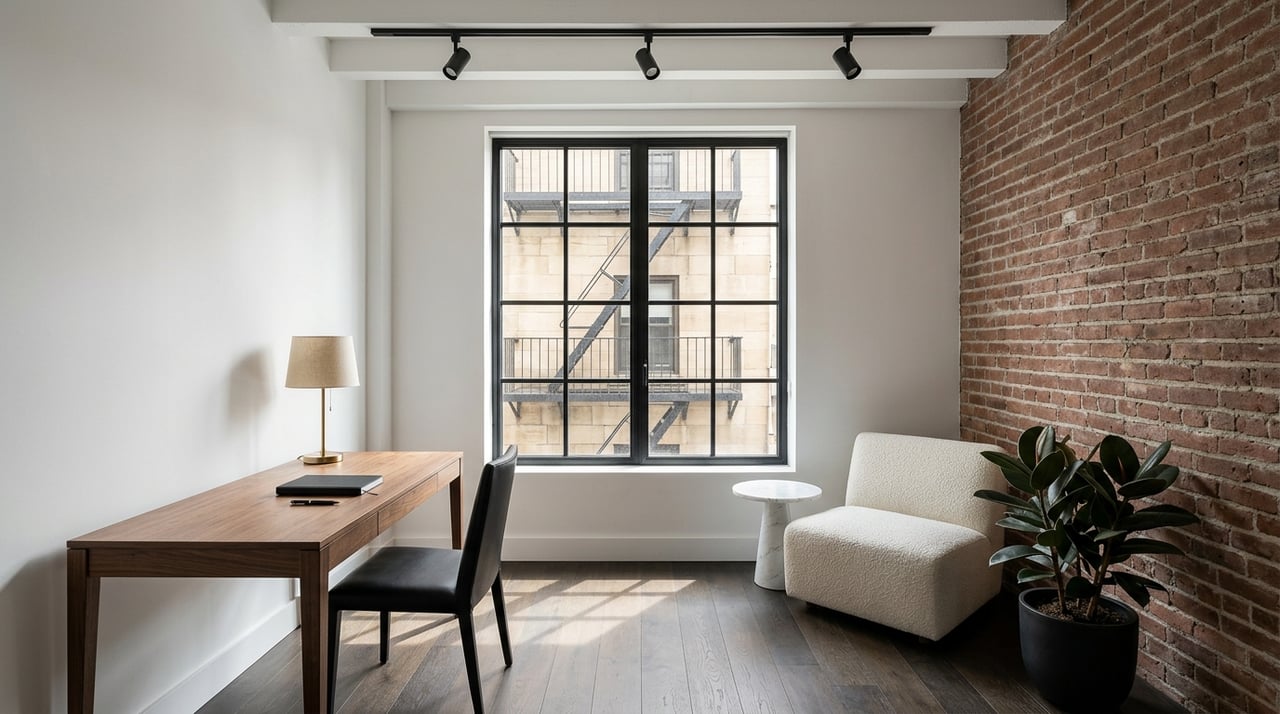
Flatiron’s luxury identity comes from its architectural past. The nearby Broadway and Fifth Avenue corridor formed part of New York’s early cast-iron building concentration and the historic Ladies’ Mile commercial district, which helps explain why many homes in the area feel loft-like, design-forward, and rooted in older building fabric.
Instead of a skyline dominated by brand-new towers, you often find residences shaped by former commercial buildings, conversions, and low- to mid-rise structures. That built environment creates a more boutique feeling, especially for buyers who value texture, proportion, and architectural character.
If you are considering a purchase in Flatiron, landmark status is worth checking early. According to the New York City Landmarks Preservation Commission, exterior alterations or new construction affecting designated buildings require LPC approval.
In practical terms, this can affect renovation timelines, façade work, and visible exterior changes. It does not mean you should avoid these properties. It simply means a well-informed purchase strategy matters, especially if you plan to customize your home.
Flatiron’s residential story is not new, but it is still evolving. The Flatiron NoMad Partnership notes that nearly two million square feet of residential space had been created or converted in the district in the decade before 2012, and it traces luxury apartment living in the area back to the late 1800s.
That trend may continue. The Partnership’s office-to-residential study estimated that 57% of office square footage profiles as high-feasibility for conversion, and the city’s Midtown South Mixed-Use Plan focuses on introducing housing and office-to-residential conversions in this job-rich area. For buyers, that supports the idea that Flatiron is becoming even more livable without losing its commercial edge.
Every great Manhattan neighborhood needs a sense of place, and in Flatiron that role belongs to Madison Square Park. The park covers seven acres, has been public land since 1686, and receives about 60,000 daily visitors.
For residents, that means more than a pleasant view. You have access to a meaningful green space that functions as a park, art venue, dog run, playground, and everyday outdoor retreat. In a dense part of Manhattan, that kind of anchor changes how a neighborhood feels.
Flatiron also benefits from the Flatiron Plazas at 23rd Street, Fifth Avenue, and Broadway, adjacent to Madison Square Park. The city says these plazas include seating, kiosks, and more than 50,000 daily visitors.
That outdoor infrastructure helps the district feel more pedestrian-oriented than many busy Midtown-adjacent areas. If you work hybrid hours, meet clients nearby, or simply enjoy stepping out for coffee or lunch without rushing back indoors, this makes a real difference.
Flatiron supports day-to-day living because the retail mix is broad and active. A Q2 2024 market report found nearly 800 occupied storefronts in the district, including 314 food-and-beverage businesses, which represented 39% of occupied storefronts.
The report also highlighted design and home goods, beauty and wellness, apparel, and hospitality uses. In plain terms, that means your routine can stay local. You are not relying on one or two destination blocks. The neighborhood is equipped for real life.
Dining is one of Flatiron’s standout lifestyle strengths. In 2025, the district became New York City’s first Green-Dining Destination, with 11 local restaurants certified by the Green Restaurant Association.
That detail says something larger about the area. Flatiron has a polished, wellness-aware dining identity that suits buyers looking for convenience without sacrificing quality or atmosphere.
For professionals, Flatiron works because it remains a serious employment district. The neighborhood’s office traffic and leasing activity show that work has not disappeared here. It is still part of the rhythm of the area.
If you want to live near your office, near clients, or near a broad business ecosystem, Flatiron offers that advantage. It is especially useful if your schedule blends in-person meetings, flexible office use, and home-based work.
Recent district reporting describes Flatiron and nearby NoMad as a mix of creative, design, medical, and tech industries. That variety gives the area a flexible professional identity rather than tying it to one sector.
For relocating and international buyers, that can be especially appealing. You are choosing a neighborhood that supports many kinds of work styles and business routines, including hybrid schedules and coworking use.
Flatiron and NoMad function as a public transit hub. The district is served by the F/M, R/W, and 6 trains, PATH, multiple bus lines, and Citi Bike routes.
That network is one reason the area works so well as a Manhattan base without requiring a car. If you need to move downtown, uptown, cross-city, or out to New Jersey, the neighborhood supports efficient movement in several directions. For buyers used to global cities, that connectivity often feels familiar and valuable.
Flatiron can be a smart fit if you want Manhattan luxury with more character and more daytime energy. It tends to appeal to buyers who value architecture, walkability, strong transit, and homes with loft-like scale or design personality.
It can also suit international and relocating buyers who want a central base in a neighborhood that feels established, useful, and easy to navigate. Rather than choosing between residential calm and business convenience, Flatiron gives you a blend of both.
Before you buy in a boutique luxury building in Flatiron, it helps to look beyond finishes and staging. Building history, conversion details, and landmark status can all shape your ownership experience.
A few practical questions to ask include:
In a neighborhood like Flatiron, the value is often in the total package. The apartment matters, but so do the block, the building story, and the way the area supports your day.
Flatiron’s boutique luxury buildings stand out because they offer a more layered version of Manhattan living. You get architectural character, a strong live-work setting, access to green space, broad dining options, and transit that supports a fast-moving schedule.
For many buyers, that combination feels more personal than newer luxury districts. It is refined without feeling sealed off from the city. If that balance is what you are after, Flatiron remains one of Manhattan’s most compelling places to search.
If you are considering a purchase or sale in Flatiron and want a more tailored view of boutique buildings, design-driven inventory, and discreet opportunities, connect with Tony Sargent to schedule a confidential consultation.
Compass
110 5th Avenue, 3rd Floor New York, NY 10011