Wondering whether Tribeca’s iconic lofts or its polished residential towers are the better fit for your life? It is a smart question, because in Tribeca, your home style shapes not just how your apartment looks, but how it lives day to day. If you are weighing character against convenience, volume against services, or historic texture against turnkey ease, this guide will help you compare the two with more clarity. Let’s dive in.
Tribeca stands out because it reflects two very different chapters of Manhattan living. On one side, you have historic store-and-loft buildings that grew out of the neighborhood’s 19th-century industrial and commercial past. On the other, you have newer condominium towers built within a planning framework that supports housing in a mixed-use neighborhood.
That contrast is not accidental. City planning in Tribeca has aimed to preserve neighborhood character while allowing controlled residential growth, and landmark rules help protect many of the area’s historic buildings. The result is a market where low-rise loft living and full-service tower living exist side by side.
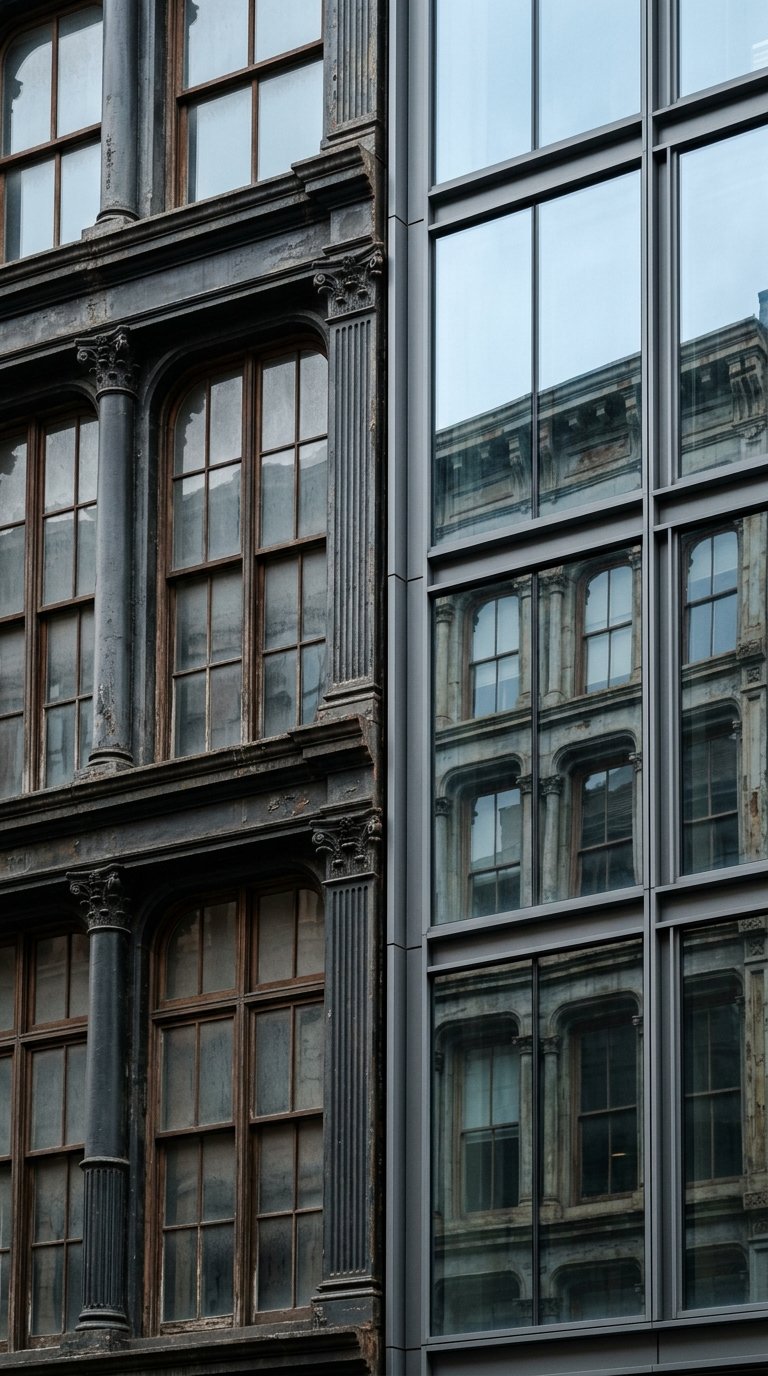
A true Tribeca loft usually begins with the building itself. Much of the neighborhood’s authentic loft inventory comes from 19th-century store-and-loft buildings that once housed warehousing, dry goods, offices, showrooms, and light manufacturing.
These buildings were typically masonry structures with large windows and broad, unpartitioned floor plates. Many were built at four to six stories, and in parts of North Tribeca, the planning record also describes four- to five-story loft buildings with narrow frontages and floor-through layouts. For many buyers, that combination creates the sense of scale and flexibility that defines loft living.
Some of these older properties also retain cast-iron façade and storefront details. That industrial material palette is part of why Tribeca still feels architecturally distinct, even after decades of residential conversion.
If you are drawn to a Tribeca loft, you are often responding to a few consistent qualities:
In practical terms, loft buyers often value space that feels flexible and expressive. The appeal is less about a long list of building services and more about the architecture itself.
The tower side of Tribeca is represented by more recent condominium development. Buildings such as 111 Murray Street, 56 Leonard, and 30 Park Place show how different this product can feel from the neighborhood’s older loft stock.
Instead of raw volume and industrial detail, towers tend to focus on convenience, services, and a highly managed residential experience. Current listings in this segment commonly highlight concierge or doorman service, elevator or staffed lobby functions, gyms, swimming pools, package rooms, storage, and in some cases parking and cold storage.
Many towers also market view corridors as a major part of the experience. Skyline, park, and water views, along with features like central air, in-unit washer and dryer, and private outdoor space in some residences, tend to be central to the tower value proposition.
A Tribeca tower may be a better fit if you prioritize:
For some buyers, especially those splitting time between cities or seeking a more streamlined ownership experience, that predictability matters just as much as design.
The loft-versus-tower decision is rarely just aesthetic. It is about how you want your home to support your routine, your privacy, and your long-term plans.
Lofts and towers often deliver light in different ways. In a classic loft, the experience is usually about oversized windows, long sightlines, and generous interior volume. The space can feel airy and dramatic even without a high floor.
In a tower, the emphasis often shifts toward elevation and outlook. Higher floors may offer skyline, park, or water views that become part of your daily living experience, even if the layout itself is more standardized.
Historic loft buildings are closely tied to the idea of unpartitioned floors. That makes them especially appealing if you want a home that feels open, adaptable, and less formulaic.
Towers usually offer a more predictable unit mix, from smaller residences to larger penthouses within the same building. If you prefer a layout that feels more defined from the start, a tower may offer a simpler path.
Towers typically organize daily life around controlled entry, staffed common spaces, and building services. That can create a more seamless experience for deliveries, arrivals, and amenity use.
Lofts are often chosen for architecture and neighborhood texture first. While services vary by building, the appeal usually centers more on the residence itself and the character of the block.
Tribeca can feel industrial, residential, and luxury-oriented all at once, depending on where you are standing. Planning documents for North Tribeca describe a neighborhood that still mixes loft buildings, full-lot buildings, offices, residences, and some light manufacturing.
That means your choice can shape your connection to the street. A loft often gives you a more immediate relationship to Tribeca’s historic scale and masonry character, while a tower may place more emphasis on the building as a private residential environment.
In Tribeca, the style you choose can also affect what ownership asks of you over time. This is especially important if you are considering a loft and envisioning major changes.
For landmarked buildings and buildings in historic districts, the Landmarks Preservation Commission generally requires approval before most exterior alterations, reconstruction, demolition, or new construction. Owners are also expected to keep landmarked property in good repair. Ordinary interior work is generally exempt unless it affects the exterior or involves an interior landmark.
That does not mean a loft is harder to own by definition. It does mean you should understand early whether your renovation plans involve exterior conditions, window changes, façade-related work, or other elements that may require review.
Older converted buildings can also carry different building-level considerations. The New York State Attorney General advises co-op and condo buyers to read the offering plan carefully and not rely on brochures or verbal statements alone. In existing buildings, buyers should pay attention to disclosures and likely repair items such as façades, roofs, elevators, plumbing, electrical systems, and boilers.
Before you commit to either style, it helps to review a few essentials:
In a neighborhood with significant older building stock and a strong condo market, careful review is not optional. It is part of buying well.
Tribeca remains one of Manhattan’s most expensive neighborhoods. PropertyShark ranked TriBeCa number two in New York City in Q1 2026 with a median sale price of $4.25 million, and its Q2 2025 report said nearly 80% of Tribeca sales were condos.
That condo-heavy sales mix reinforces how important the tower segment has become. At the same time, preserved loft stock remains scarce, which helps explain why both housing types continue to attract serious demand.
A loft may be the better match if you care most about architectural identity, open volume, and the feeling of living inside a piece of Tribeca’s built history. Buyers who love masonry buildings, industrial detail, and flexible floor plates often start here.
This option can be especially compelling if your priority is space with personality rather than a long amenities list. You are often buying a strong sense of place along with the apartment.
A tower may suit you better if you want staffing, amenities, newer systems, and a more turnkey ownership experience. If your lifestyle depends on smooth daily logistics, predictable layouts, and building services, the tower model can make that easier.
This is also why towers often appeal to buyers who split time between homes or want a polished lock-and-leave setup in Manhattan.
If you want to renovate extensively, a loft can still be the right purchase, but your diligence needs to be sharper. Historic exterior rules and the realities of older building systems can affect both timeline and cost.
The smartest approach is to fall in love with the architecture, but underwrite the building with discipline.
There is no universally better answer between loft and tower in Tribeca. The right choice depends on whether you want historic volume and texture, or service, views, and ease.
For some buyers, only a classic loft will do. For others, a full-service tower fits the way they actually live. The key is to match the home style to your daily routine, your renovation appetite, and the kind of Tribeca experience you want to come home to.
If you are comparing specific opportunities in Tribeca, Tony Sargent offers discreet, senior-level guidance tailored to your priorities, whether you are searching for architectural character, turnkey convenience, or access to curated on- and off-market options.
Compass
110 5th Avenue, 3rd Floor New York, NY 10011