Torn between the park’s two sides as you plan your family’s next move in Manhattan? You are not alone. The Upper East Side and Upper West Side both offer excellent schools, culture, green space, and classic homes, which makes the choice feel high stakes. In this guide, you’ll compare day-to-day life across both neighborhoods so you can match your priorities to the right address with confidence. Let’s dive in.
Getting the map right is step one. The Upper West Side runs from West 59th Street to West 110th Street, from Central Park West to the Hudson River. This is the widely used definition in local guides and planning sources, and you can review a concise overview of the area’s footprint and character in the Upper West Side entry.
The Upper East Side spans East 59th Street to East 96th Street, from Fifth Avenue to the East River. Real estate listings sometimes extend the label a bit north, but this footprint is the standard reference. For background on sub-areas like Carnegie Hill and Yorkville, see the Upper East Side overview.
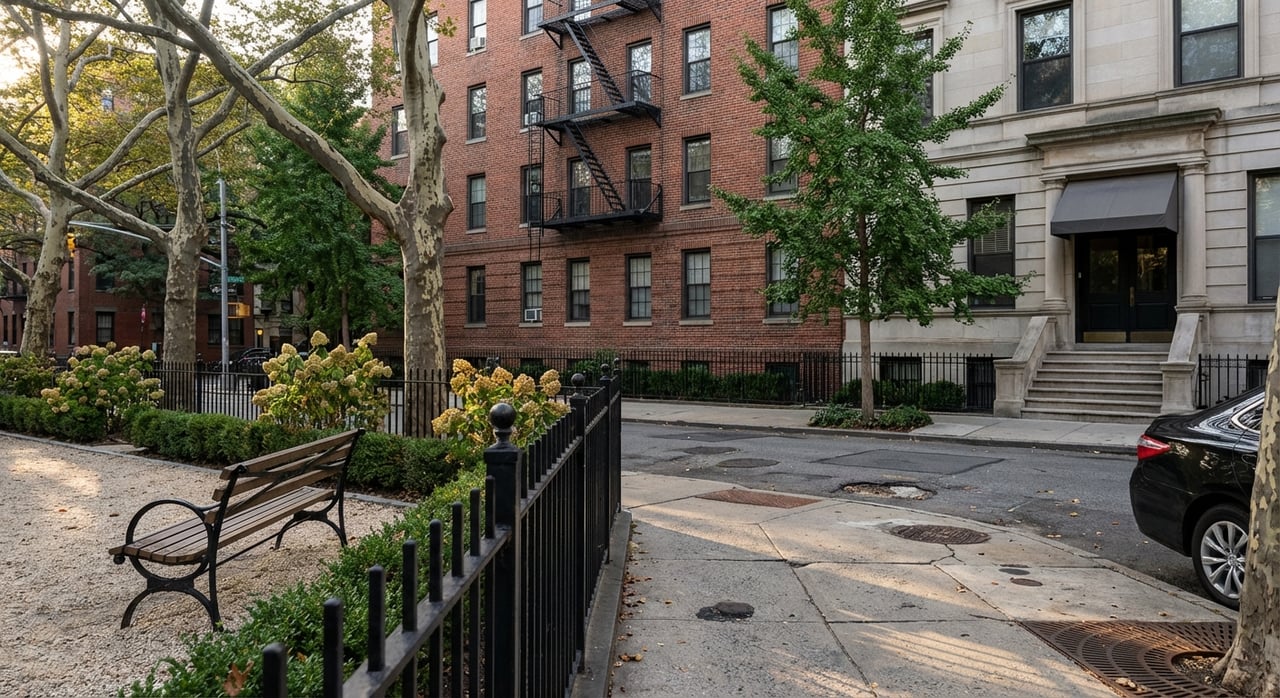
Think residential blocks with prewar apartment houses and brownstones, a lively Broadway corridor, and a civic-cultural core anchored by Lincoln Center and the American Museum of Natural History. The feel is neighborly and active, with many playgrounds, after-school options, and a second waterfront in Riverside Park. Families often choose the UWS for its easy outdoor access and walkable daily routines.
The UES blends classic avenues along Park and Fifth with museums, established private schools, and top medical institutions. You get a polished residential feel, strong access to cultural programming, and a growing mix of condos and rentals in Yorkville and along Second Avenue. Many families choose the UES for proximity to schools, Museum Mile, and a short walk to Central Park.
Both sides sit within Manhattan public school districts with well-regarded neighborhood elementary options. The Upper West Side also hosts a citywide Gifted and Talented program, The Anderson School (PS 334), which draws applicants from across the city. On the Upper East Side, families often cite specific zoned elementary schools as a reason to stay local; for example, P.S. 6 Lillie Devereaux Blake is a long-standing neighborhood school that many parents research.
If you are considering private schools, the Upper East Side has a high density of established independent day schools within walking distance of many addresses. The Upper West Side also offers respected independent and arts-oriented options, including schools connected to Lincoln Center programs. Your child’s school placement and commute tolerance should guide your address.
For early childhood and day care, both sides have good coverage of private centers and DOE pre-K/3-K seats, but waitlists can be real. If a short walk to a specific daycare or zoned elementary is your priority, map that facility first, then build your home search around it. Check the DOE calendar and local center admissions timelines for the year you plan to move.
Central Park is a shared backyard for both neighborhoods. The park has 21 playgrounds and a wide range of family-friendly spaces, from climbing areas to water play. The Central Park Conservancy playground guide is a great planning tool if you want to be near a specific play space.
On the Upper West Side, Riverside Park is a major plus for families who love the outdoors. The long waterfront paths, multiple playgrounds, sports fields, and seasonal events like Summer on the Hudson add a second green corridor for biking, scooting, and picnics. Review highlights and history in the Riverside Park overview.
On the Upper East Side, Central Park’s Museum Mile, the Great Lawn, and Conservatory Water are an easy stroll from many blocks. The East River Esplanade and Carl Schurz Park add local waterfront options for play and dog runs. If water and bike paths are core to your weekends, list your favorite parks and choose a block that keeps them in easy reach.
If your kids love dinosaurs and space shows, living near the American Museum of Natural History makes spontaneous weekend visits simple. The museum’s Hayden Planetarium and rotating family programming are frequent UWS favorites, and school trips often land here.
On the UES, Museum Mile puts you close to The Met, Cooper Hewitt, the Guggenheim, and more. The Met’s MetKids resources offer interactive content and ideas for family visits, while Cooper Hewitt runs hands-on design workshops at select times. Think about your family’s after-school rhythm. If museum visits and drop-in workshops are regular, proximity matters.
Both sides offer a wide range of co-ops, condos, and townhouses. The Upper West Side features prewar elevator buildings, brownstones, and a mix of mid-century and newer condo towers near Lincoln Square. The Upper East Side has classic prewar co-ops along Park and Fifth, townhouses, and a growing set of modern condos in Yorkville and along Second Avenue.
If you are new to Manhattan property types, a quick primer helps: co-ops often have more restrictive board policies and require higher down payments, while condos are generally more flexible on subletting and ownership structure. Many family buyers choose based on building rules and layout as much as location.
On pricing, medians vary by source, property mix, and date. As of January 31, 2026, Zillow’s Home Value Index for the Upper East Side placed the typical home value in the mid-$1.3 million range. For the Upper West Side, PropertyShark’s December 2025 snapshot gives another point of reference for recent sales trends; review their neighborhood data in the PropertyShark market overview. The best way to budget is to focus on your target bedroom count, building type, and a few micro-neighborhoods, then track current listings and recent closed comps.
Both neighborhoods have strong north-south subway coverage. On the UWS, you have the 1/2/3 lines along Broadway and the B/C along Central Park West. On the UES, the 4/5/6 along Lexington and the Q along Second Avenue cover most commutes. Crosstown buses like the M79 and M86 are essential for crossing the park.
If both partners work in Midtown, commute times from comparable addresses are often similar. If one person needs to be close to East Side offices, a UES location can shave a few minutes off the walk to the train. For a quick sense of routes near Central Park landmarks, review this summary of directions to the American Museum of Natural History. Always confirm your exact route with the MTA trip planner the week you plan to start a new routine.
Picture your day-to-day. On the UWS, neighborhood staples like Zabar’s, Citarella, and Broadway’s many cafés make errands feel local and easy. On the UES, Whole Foods, independent markets, and a range of pharmacies and specialty stores sit close to residential blocks.
Healthcare access is strong on both sides. The UES hosts major institutions, including Lenox Hill Hospital, and there are multiple pediatric practices across both neighborhoods. If you have specific specialty needs, factor the walk or drive time to your clinic when comparing blocks.
Use this quick decision framework to align your priorities with each side’s strengths.
Priority: Short walk to a zoned public elementary school
Priority: Private-school proximity and walkable drop-offs
Priority: Outdoor life, water views, bike paths
Priority: Newer condos and amenities at a given budget
Priority: Teens with after-school programs and internships
Ready to narrow it to a few best-fit blocks and buildings? A tailored search can save you months and help you secure the right unit at the right number.
If you want a calm, senior-level process with access to both on- and off-market opportunities, connect with Tony Sargent for a confidential consultation. You will get a curated plan that aligns schools, routines, and budget with the right Upper East or Upper West address.
Compass
110 5th Avenue, 3rd Floor New York, NY 10011