Thinking about making the West Village your home? You have likely admired its leafy blocks, café terraces, and storied brownstones, and wondered how the romance plays out day to day. The reality blends classic New York charm with practical tradeoffs that smart buyers plan for. In this guide, you will learn how the neighborhood feels, what types of homes you will find, how co-ops and condos differ, and what to expect from logistics like transit, noise, and renovation rules. Let’s dive in.
The West Village stretches roughly from Houston Street to W. 14th Street, the Hudson River to Sixth Avenue. It belongs to Manhattan Community District 2. Boundaries vary by source, so always confirm the exact area when comparing data.
You will notice a distinct street grid. Narrow, often diagonal streets create human-scale blocks lined with historic facades and stoops. The result is a village feel that contrasts with Midtown’s strict avenues.
Ground floors are active across most blocks. You will pass independent boutiques, cafés, restaurants, neighborhood groceries, and small parks that anchor daily life. Along the waterfront, a handful of larger luxury buildings join the mix.
Walkability is a hallmark here. You can grab coffee, pick up groceries, and meet friends for dinner without leaving the neighborhood. Weekday mornings bring commuters and dog walkers, afternoons can see visitors near landmarks, and evenings hum with restaurant energy.
Key public places give the area shape. Hudson River Park offers green space and bike paths right on the water. Christopher Park, across from the Stonewall Inn, carries deep cultural significance. The Jefferson Market Library and its garden add architectural interest and a peaceful pocket of green.
Most blocks feel more residential than other downtown areas. That said, busy corridors and weekend nights can be lively and sometimes noisy. The experience changes from block to block, which is part of the West Village’s charm.
The West Village is known for its low- to mid-rise profile and preserved streetscapes. You will see a range of property types, each with its own purchase process and lifestyle implications.
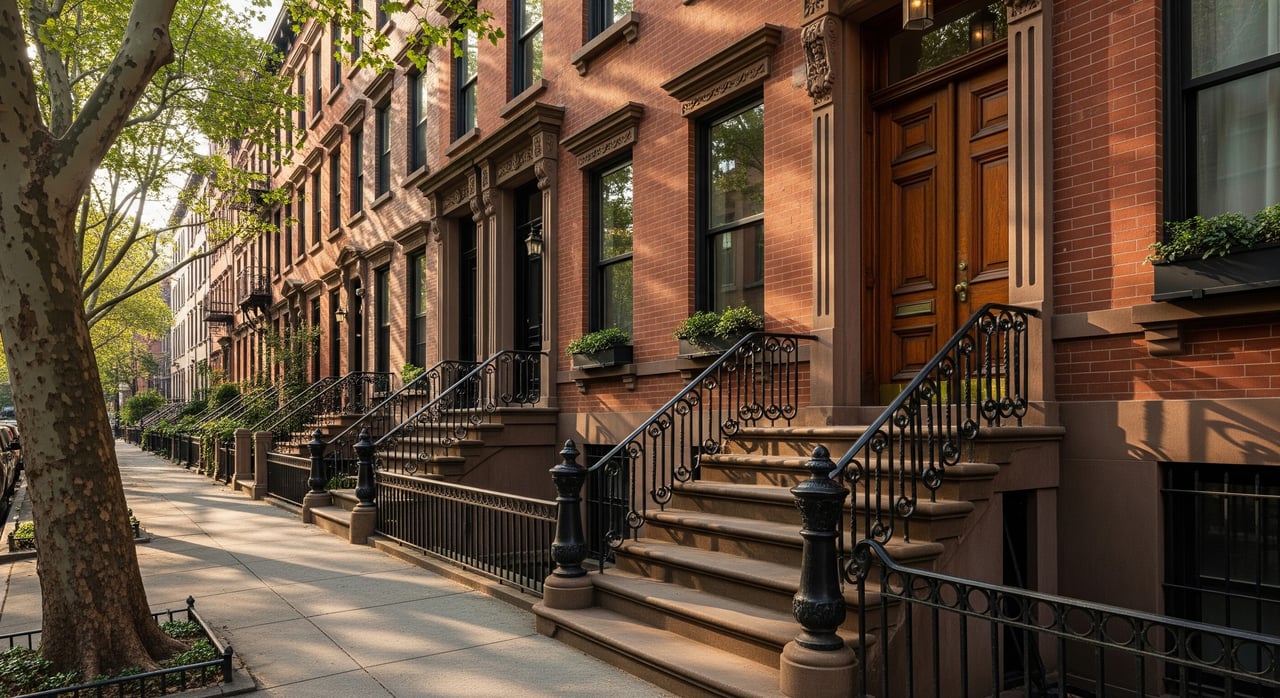
Classic brownstones and rowhouses line many quieter streets. Some are single-family, others hold multiple units. They are prized for historic character and privacy, though inventory is limited and renovation can be involved.
Prewar walk-ups and elevator co-ops make up a large portion of the housing stock. Units are often smaller, with period details and layouts that reflect earlier eras. Co-ops use board approval and detailed financial reviews, which shape timing and financing.
Condominiums are fewer than co-ops, but you will find them throughout the neighborhood and along the Hudson. Newer buildings and loft conversions offer more flexible ownership, modern amenities, and often higher prices per square foot.
Some blocks include small rental buildings and mixed-use properties. These keep the streets active and add variety to the housing landscape.
The block matters as much as the building. A preserved brownstone on a quiet, tree-lined street will typically command a premium. A smaller unit on a lively corridor may trade at a relative discount per square foot, even if the address is coveted.
Scarcity also plays a role. Transaction volume is often limited, especially for historic townhouses and desirable co-ops. When the right property appears, it can move quickly.
Co-ops commonly require larger down payments. Minimums of 20 to 30 percent have been typical historically, and many boards expect more in practice. You will prepare a full financial package and attend a board interview.
Condos usually offer greater financing flexibility and do not require board approval in the same way. This can make closing timelines more straightforward.
Co-ops often limit subletting and have rules about renovations and pets. Policies vary by building, so ask early. Condos tend to offer more flexible leasing and resale options, which is why their per-square-foot pricing is often higher.
Co-op maintenance fees typically include the building’s underlying mortgage and taxes. Condo common charges are separate from your individual property tax bill. Always request recent statements so you understand your true monthly costs.
Many West Village blocks fall within local historic districts. The NYC Landmarks Preservation Commission oversees changes to building exteriors on landmarked properties.
Exterior work, such as windows, stoops, facades, or roofing, usually requires LPC approval. This adds time and planning to any project. Interior renovations are generally not subject to LPC, but your building rules and DOB permits still apply.
If you are buying a brownstone or a prewar co-op, build time and cost contingencies into your budget. Specialized contractors and compliance steps can increase expenses relative to newer buildings.
Subway access is strong for downtown Manhattan. Stations in and around the neighborhood include Christopher Street, West 4th Street, and 14th Street at 8th Avenue, among others. Your exact commute depends on the line and the block you choose, so map door-to-door travel for both Midtown and Lower Manhattan.
Cycling is easy to adopt. Bike lanes and the Hudson River Park path offer car-free stretches along the water. Citi Bike stations are common.
Street parking is scarce and garages are costly. Many residents skip car ownership and rely on transit, rideshare, or car services for occasional trips.
You can expect groceries, pharmacies, cafés, fitness studios, medical offices, and pet services within a short walk of most addresses. Dining spans casual neighborhood spots to destination restaurants. If convenience and walkability matter, the West Village delivers.
The area provides access to public and private schools that serve downtown Manhattan. Zoning and admissions change, so verify school zones and policies with official city resources. Parks, playgrounds, and the waterfront offer outdoor time, though apartment sizes are typically smaller than suburban homes.
Like any central Manhattan neighborhood, experience varies by block. Interior residential streets often feel quieter, while restaurant corridors and tourist sites see more activity. Daytime pedestrian traffic is high, and evenings can be lively.
For the most accurate view on safety trends, review current NYPD precinct reports. If noise is a concern, visit at different times and note proximity to bars, bus routes, and major avenues or the waterfront.
Factor in ongoing carrying costs such as co-op maintenance or condo common charges, utilities, and property taxes. Insurance can be higher in older buildings, and renovation costs may rise with specialized work or landmark approvals.
Lifestyle spending also runs higher than the city average. Dining out, boutique fitness, and convenience services add up, which is part of the tradeoff for such a well-served neighborhood.
If you want discreet guidance, design-led strategy, and access to curated opportunities in the West Village, reach out to Tony Sargent. Schedule a Confidential Consultation to map the right streets, short-list the best buildings, and negotiate with confidence.
Compass
110 5th Avenue, 3rd Floor New York, NY 10011